
SVA interviewed by the Macau Business re: Strategic Risks in Asia in 2026
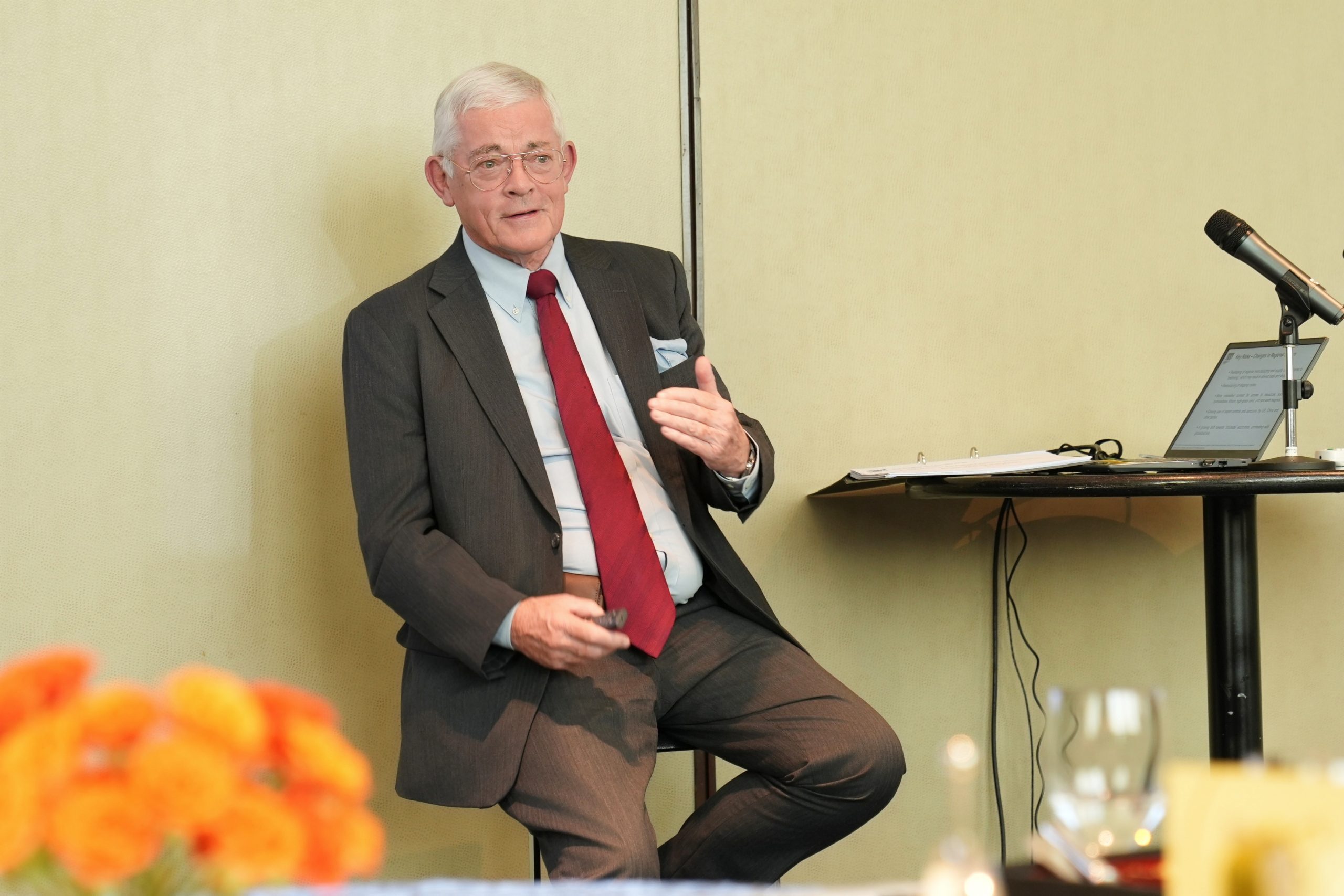
SAR to face geopolitical exposure in 2026, US-China relations to ‘set the weather’: Steve Vickers
Macau’s gaming- and tourism-driven economy is exposed to potential geopolitical shocks, even though the SAR itself is not facing higher overall risk than other Asia-Pacific economies in 2026, risk consultant Steve Vickers said on Thursday, pointing to growing uncertainties in US-China relations and regional security.
Speaking to MNA on the sidelines of a luncheon hosted by the British Chamber of Commerce in Macao on Thursday, Vickers said that “in the context of 2026, and in the Asia-Pacific more generally, Macau does not stand out as being at any particular risk compared with other countries”. However, he warned that a breakdown in communications between Washington and Beijing could quickly change the operating environment for businesses in the SAR.
“In that situation, you might need to position yourself in terms of currency risk,” said Vickers, chief executive of Steve Vickers Associates, adding that firms should also examine potential data vulnerabilities, particularly where information is transferred between Macau, mainland China, the US, Portugal or other jurisdictions. “Companies need to assess how a sudden and radical change in the geopolitical environment could affect their operations.”
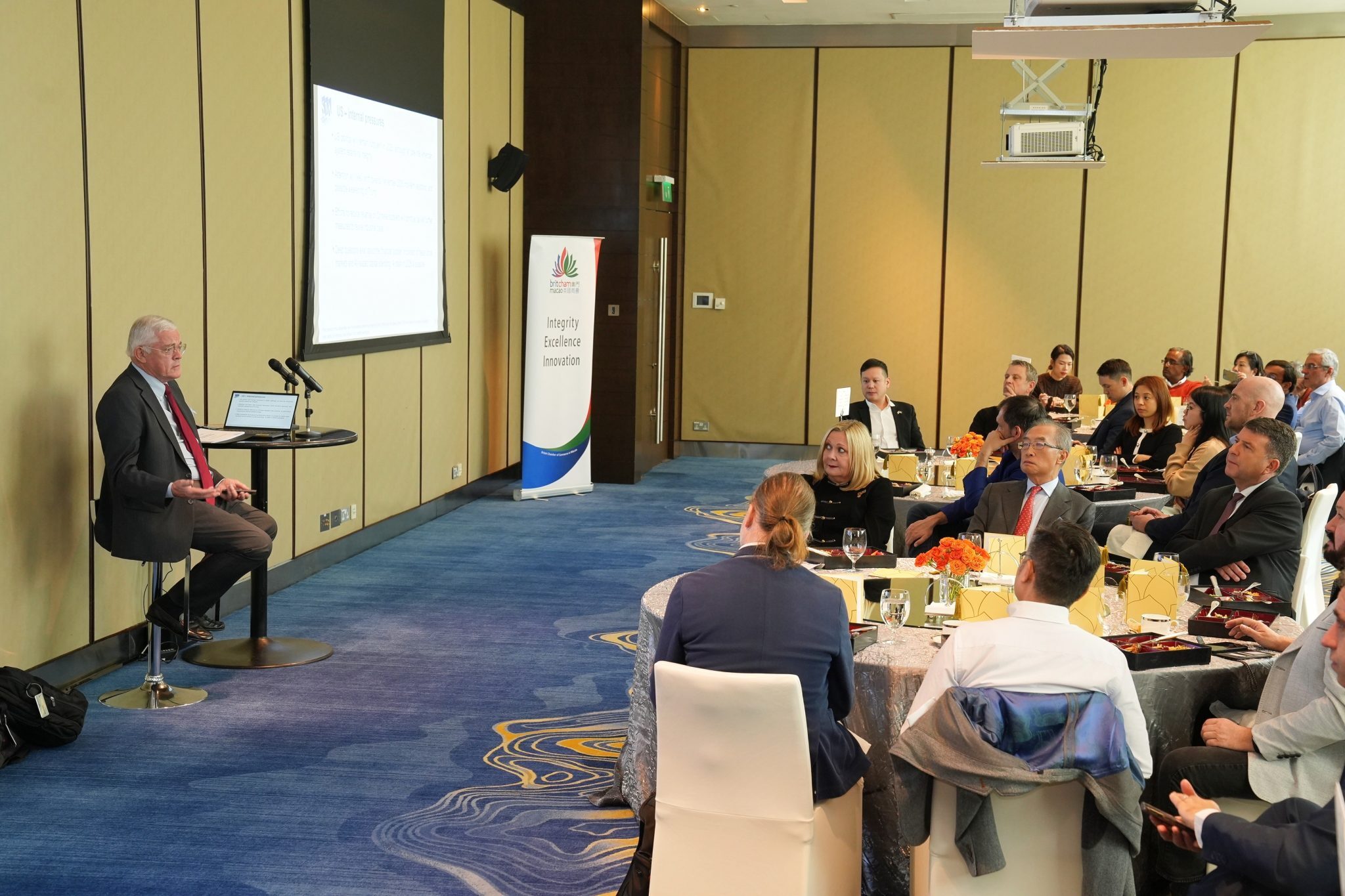
He added that deteriorating relations between China and other countries in Asia, such as Japan, could have direct knock-on effects on visitor flows. “From a purely gaming and tourism perspective, relations between China and countries such as Japan could deteriorate, and you would need to plan for the consequences,” he said.
US-China relations will set the weather
Beyond Macau, in his presentation Vickers warned that the overall risk outlook for the Asia-Pacific region is continuing to worsen. Sino-American relations will “set the weather” in 2026, he said, describing ties as “distrustful and increasingly erratic”, shaped by structural differences and rising security tensions around Taiwan, Japan and the South China Sea. Trade frictions may be paused, but are unlikely to subside for long, with economic and security concerns now “close to impossible” to separate.
The broader implications include higher insurance costs, a rising price of capital, and increased risks to shipping and supply chains in a region that is inherently maritime. Technology, particularly artificial intelligence and advanced manufacturing, is emerging as a major fault line, alongside growing risks of cyberattacks and financial crime.
Despite the deteriorating environment, Vickers said there would be both “winners and losers”. “Companies should examine reliance on server locations, cloud storage systems, or software providers,” he suggested. Companies that conduct independent strategic reviews, stress-test tourism and trade assumptions, diversify suppliers and prepare for abrupt shifts in regional relations would be better placed to protect their interests — and potentially benefit — as the Asia-Pacific enters a more fragmented and uncertain phase.